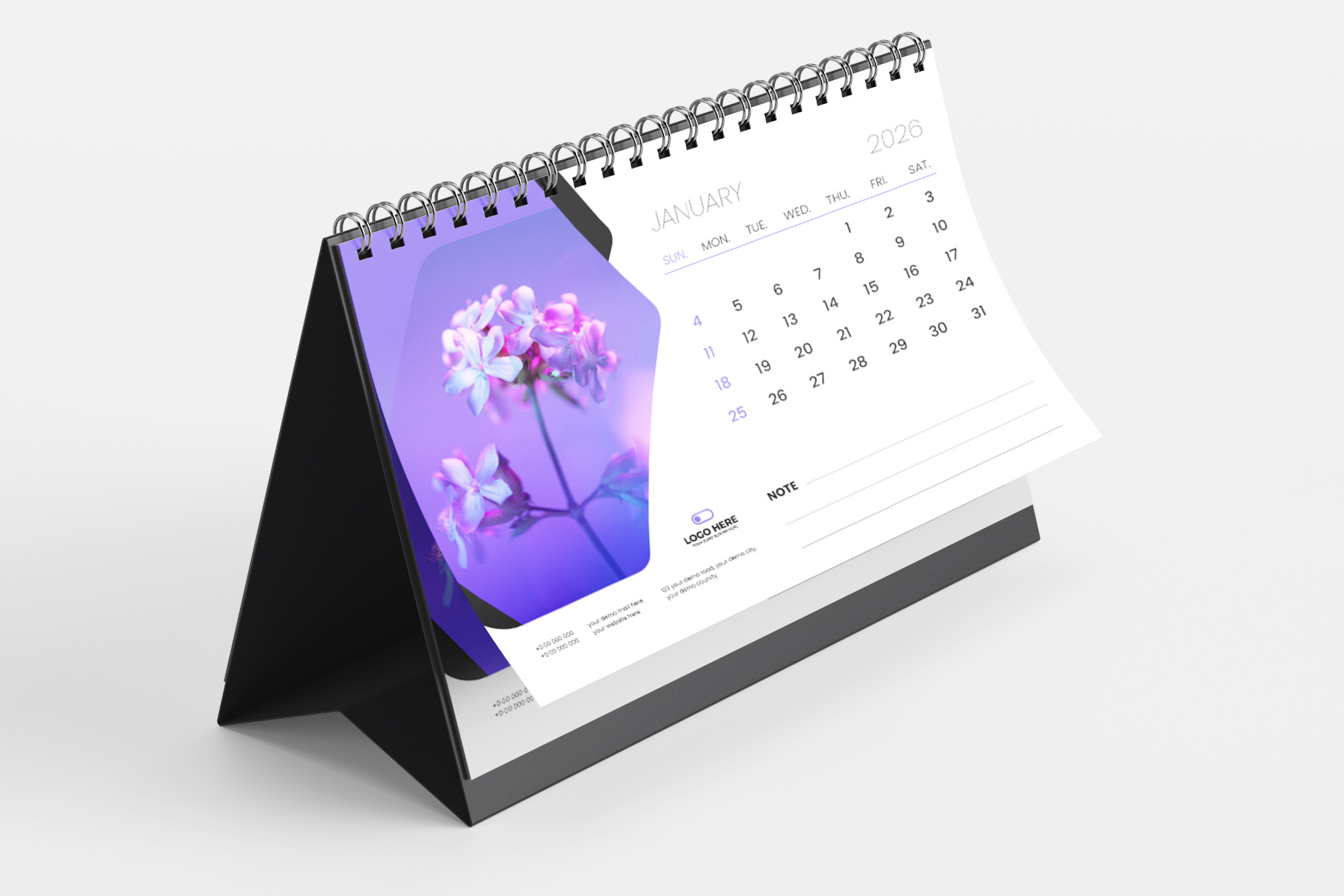
A tabletop calendar continues to hold a strong place in both personal and professional organization despite the dominance of digital scheduling tools. Sitting neatly on desks, study tables, and office workstations, it serves as a constant visual reminder of dates, deadlines, and important events. The simplicity and reliability of a tabletop calendar make it a preferred choice for many individuals who value quick access to time planning without relying on screens or electronic devices.
One of the most significant advantages of a tabletop calendar is its visibility 座檯月曆. Unlike digital calendars that require opening an application or device, a tabletop calendar is always present in the user’s field of view. This constant exposure helps individuals stay aware of upcoming tasks and important dates throughout the day. Whether placed in a busy office environment or a quiet home study, it acts as a silent organizational companion that does not require activation or battery power.
The tactile experience of using a tabletop calendar also adds to its appeal. Physically turning pages, marking dates, or highlighting important events creates a sense of interaction that digital tools cannot fully replicate. This physical engagement helps reinforce memory and improves time awareness. Many people find that writing down appointments or reminders on a tabletop calendar enhances their ability to retain information compared to typing it into a device.
In professional settings, a tabletop calendar plays an essential role in improving productivity and workflow management. Office workers often rely on it to track meetings, deadlines, and project timelines. Having a clear visual representation of the month or week helps teams coordinate more effectively. It reduces the chances of missing important appointments and supports better planning across departments. For managers and executives, it serves as a quick reference tool during busy workdays.
The design of a tabletop calendar also contributes to its usefulness. Many versions are created with clean layouts, spacious date boxes, and additional note sections. These features allow users to customize their planning according to personal or professional needs. Some calendars include motivational quotes, images, or themed artwork that enhance the visual appeal while maintaining functionality. This combination of practicality and aesthetics makes the tabletop calendar suitable for a wide range of environments.
Another important aspect of the tabletop calendar is its role in reducing digital dependency. In a world where people are constantly connected to smartphones, computers, and tablets, having a physical planning tool offers a refreshing break from screen time. It allows users to manage their schedules without notifications, pop-ups, or digital distractions. This can lead to improved focus and reduced mental fatigue, especially for individuals who spend long hours working on digital devices.
The tabletop calendar is also widely used in educational environments. Students often place them on study desks to track exam dates, assignment deadlines, and study schedules. The visual nature of a calendar helps students plan their time more effectively and develop better organizational habits. Teachers and academic staff also use tabletop calendars to manage lesson plans and school activities, ensuring that important academic events are well coordinated.
Customization is another feature that adds value to the tabletop calendar. Many businesses and individuals prefer personalized calendars that reflect branding, themes, or personal memories. Companies often print their logos and promotional messages on tabletop calendars, turning them into practical marketing tools. These customized calendars are frequently distributed as corporate gifts, helping businesses maintain visibility throughout the year while providing useful items to clients and employees.
In addition to their functional benefits, tabletop calendars also contribute to workspace aesthetics. A well-designed calendar can enhance the appearance of a desk or office environment. Whether minimalistic or creatively designed, it adds a sense of order and structure to the workspace. This visual organization can positively influence mood and productivity, making the work environment more pleasant and efficient.
Durability is another reason why tabletop calendars remain popular. Unlike digital tools that may require updates or technical maintenance, a physical calendar is straightforward and reliable. Once placed on a desk, it remains functional without any additional setup. This simplicity makes it accessible to users of all ages, from young students to elderly individuals who may prefer traditional planning methods.
The psychological benefits of using a tabletop calendar are also worth noting. Writing down tasks and visually crossing off completed activities provides a sense of accomplishment. This simple action can motivate individuals to stay productive and maintain focus on their goals. It also helps reduce stress by providing a clear overview of upcoming responsibilities, preventing feelings of being overwhelmed by scattered information.
In many households, the tabletop calendar serves as a central planning tool for family activities. Families use it to coordinate schedules, track birthdays, plan vacations, and manage daily responsibilities. Placed in common areas such as kitchens or living rooms, it becomes a shared reference point that helps everyone stay informed and organized. This shared visibility improves communication and reduces scheduling conflicts.
Despite technological advancements, the tabletop calendar continues to evolve. Modern designs incorporate hybrid features such as QR codes that link to digital content or supplementary apps. This combination of physical and digital planning creates a more flexible system for users who want the benefits of both formats. However, the core function remains the same: providing a simple and reliable way to track time.
The affordability of tabletop calendars also contributes to their widespread use. They are generally inexpensive and available in a variety of styles, sizes, and formats. This accessibility makes them suitable for individuals, students, businesses, and organizations with different budgets. Their cost-effectiveness, combined with their usefulness, ensures that they remain a staple in organizational tools.
In conclusion, the tabletop calendar continues to be a valuable tool for managing time and enhancing productivity in both personal and professional settings. Its simplicity, visibility, and tactile nature make it an effective alternative to digital scheduling systems. Whether used for work, study, or home organization, it provides a reliable way to stay on top of daily responsibilities. As long as people value structure and clarity in their schedules, the tabletop calendar will remain an essential part of everyday life.