In terms of electrical power supplies, understanding the differences between single phase vs. three phase connections is crucial. A single-phase connection consists of two wires, making a simple network, while a three-phase connection is more complicated, with four different wires. In this article, we’ll explore the advantages and disadvantages of both systems and introduce you to CHINT, a brand that offers reliable power supply solutions.
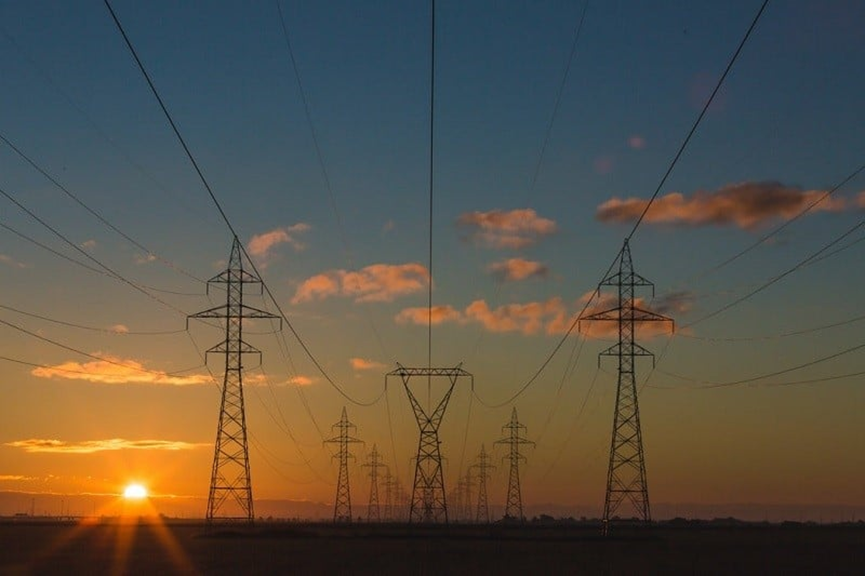
Single-Phase vs. Three-Phase Power Supplies
Single-phase connections are simpler and cheaper to install, making them ideal for residential and small commercial buildings. However, they have one major drawback: if anything happens to the network, the entire power supply gets interrupted. This can be inconvenient and costly, especially for businesses that rely on continuous power.
On the other hand, three-phase power supplies are more complex but offer several advantages. First, they can carry more power over the same conductors, making them more efficient. Second, if one phase fails, the other two phases can still provide power, ensuring no interruption in service. This makes three-phase power supplies ideal for large commercial and industrial applications.
CHINT: Reliable Power Supply Solutions
When it comes to power supply solutions, CHINT is a brand you can trust. With a focus on innovation and quality, CHINT offers a wide range of products, including single-phase and three-phase power supplies. Their products are designed to meet international standards and offer reliable performance, making them an excellent choice for both residential and commercial applications.
Conclusion
In short, choosing between a single-phase and a three-phase power supply depends on your specific needs. For small applications, a single-phase connection may be sufficient. However, for larger applications that require continuous power, a three-phase power supply is the better choice. Regardless of your needs, CHINT offers reliable solutions that can meet your power supply requirements.